Year: 2015 | Role: Volunteer, Community Health Outreach
Humanitarian Work · Healthcare Access · Cross-Cultural Learning
The Why
I was in my second year of Medical Technology, suffering through a curriculum that was technically rigorous and personally hollowing. I had missed the Disney Work and Travel program that summer because enrollment paperwork fell through. Instead of doing nothing, I spent the break researching organizations on the Thai-Myanmar border, wrote a letter in English explaining what I was studying and what I could offer, and sent it to Mae Tao Clinic in Mae Sot.
I didn’t tell my parents until a few days before I left.
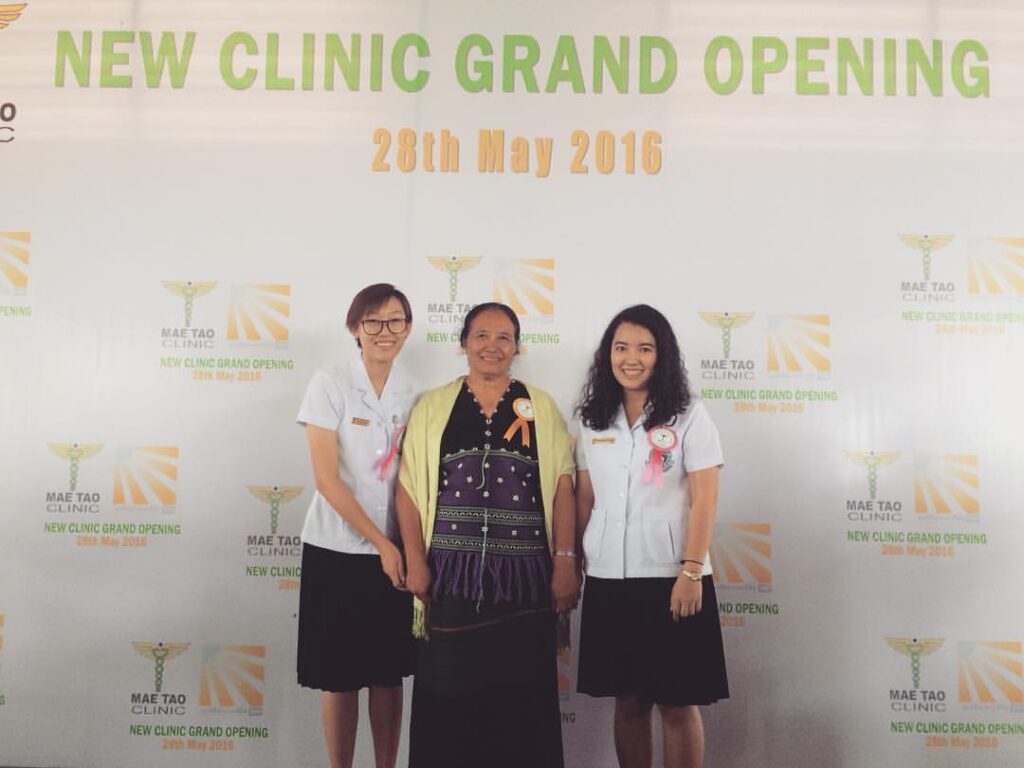
Mae Tao Clinic was founded by Dr. Cynthia Maung and has operated for over 30 years as a hospital-sized clinic serving migrant and refugee communities on the border, free of charge, no exceptions. The people it serves have no access to formal healthcare systems, often no official documents, and no political protection. I was 20 years old and had never worked anywhere like it.
What I Did
I was placed in the Community Health Outreach unit, which covered three areas: School Health for Migrant Learning Centers, Reproductive Health Outreach, and Health Promotion and Disease Prevention. I was the only Thai person in the unit, which meant I became the de facto Thai interpreter for everyone without anyone officially deciding that was my job.
My first meeting was conducted entirely in Burmese. I understood nothing. I smiled and took notes.
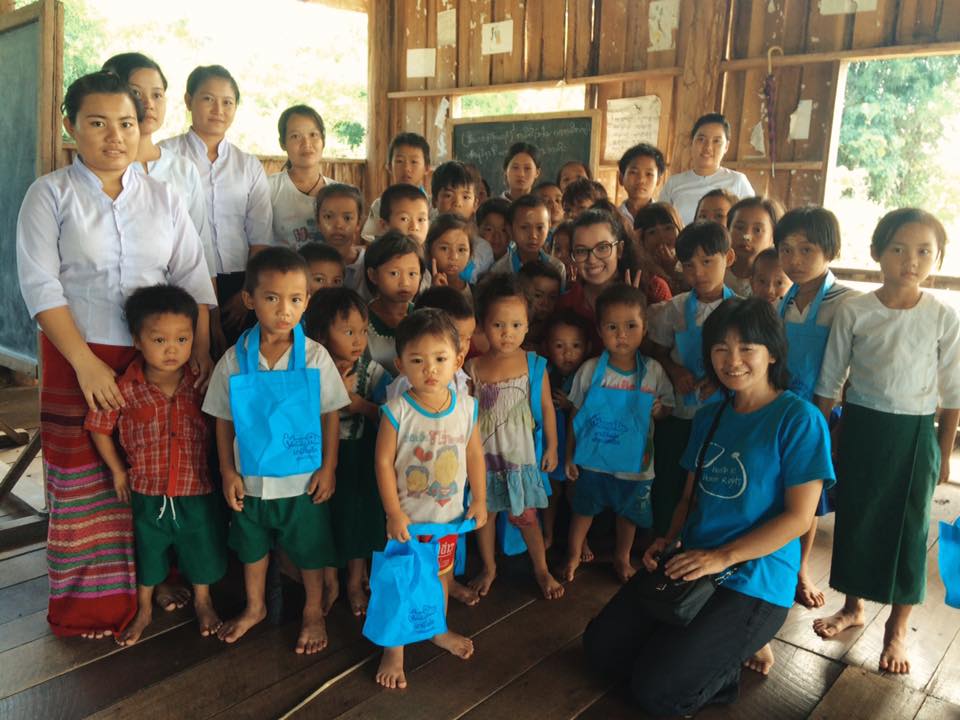
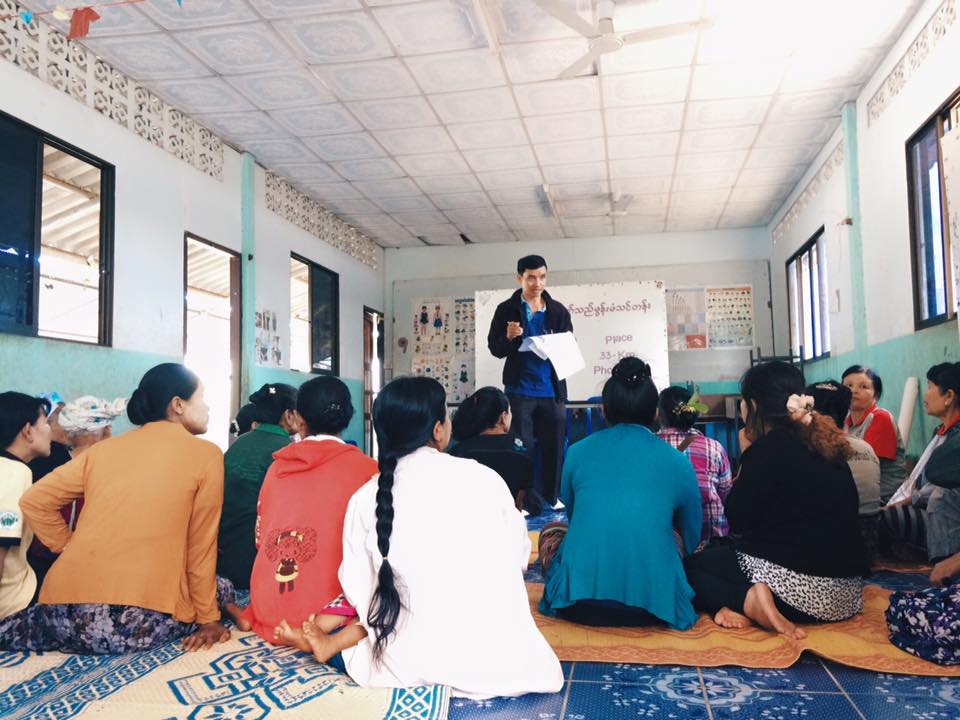
The work ranged from health assessments at migrant learning centers: checking weight, height, nails, signs of lice, to attending reproductive health and family planning workshops, to helping translate and adapt documents across Thai, English, and whatever else was needed that day. I helped observe a midwifery training for community women in remote areas so far from any clinic that they delivered babies themselves, often without the paperwork to prove the child existed afterward.
One of my Japanese colleagues was in her forties and had left a career in business administration to study humanitarian work after earthquake disasters in Japan. The idea that learning had no endpoint, that you could change direction entirely in your forties and it would be the right thing, was new to me.
I also met Jillian, a Canadian feminist traveling across South and Southeast Asia for family planning research. She was sharp and warm and completely at ease in complexity. She would later invite me to become the Thailand country coordinator for her organization. That is how IYAFP started.
Outcomes
I went to Mae Tao Clinic thinking I was going to be useful. I left having received more than I gave. I wrote in my journal at the time: “I thought volunteering meant giving something. But here I find myself being taught continuously, about people, about what’s owed to them, about what two hands can and cannot do.”
What the experience clarified: clinical laboratory work in a hospital was not my path. The work I wanted to do was with people, in the messiness of the real world, in the space between systems and human need. Everything that came after, including IYAFP and Women Help Women and the community work, can be traced back to that summer at the border.